
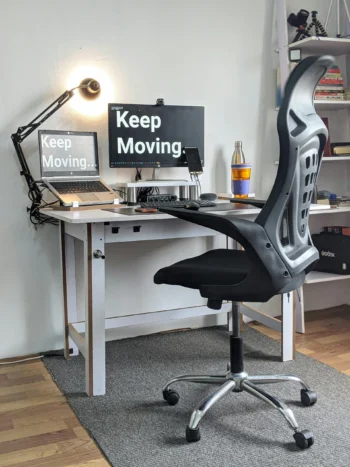
Best chairs for spine health are no longer just about comfort, they’re essential tools in combating back pain, improving posture, and supporting long-term wellness. Let’s take a closer look at the impact of seating on spinal health. Whether individuals are working remotely, engaging in extended gaming sessions, or spending prolonged hours in a traditional office setting, the quality of one’s chair has a significant influence on physical well-being. Inadequate support can lead to chronic discomfort, headaches, disc herniation, and even fatigue.
By 2025, ergonomic innovation has become a priority for chair manufacturers. Firms are now utilizing advanced materials, applying biomechanical research, and incorporating guidance from chiropractic professionals. The aim is clear: to improve the way we sit and, consequently, our overall health.
This guide provides a comprehensive overview of the leading spine-supportive chairs available in 2025. It covers a range of options from technologically advanced executive models to more budget-conscious selections all designed to promote better posture, enhance productivity, and alleviate pain.
Why the Right Chair Matters for Your Spine
The human spine is a remarkably resilient structure, tasked with supporting the body’s weight, maintaining posture, and enabling movement. Yet, prolonged use of inadequately designed seating can undermine its function often resulting in back pain, poor posture, neck strain, and even headaches. Frequently, these issues stem from something as simple as an unsupportive chair. Regardless of whether one is working, studying, or relaxing at home, the selection of an appropriate chair plays a significant role in spinal health. Therefore, chair choice is not merely a matter of comfort; it is essential for safeguarding long-term spinal well-being.
The Spine and Sitting—A Delicate Balance
The human spine plays a crucial role in maintaining an upright posture and providing structural support. Unfortunately, the design of many chairs fails to accommodate the natural curvature of the lumbar region. Without adequate lumbar support, individuals often adopt a slouched position, causing the lower back to lose its natural curve and the head to protrude forward. This misalignment increases stress on the spinal column, muscles, and intervertebral discs. Persistently poor posture of this kind can result in discomfort, muscular stiffness, and, over time, may contribute to chronic back and neck problems.
Chiropractic View on Seating
At Healing Chiropractors, we regularly observe that patients’ back and neck discomfort often stems from inadequate sitting practices, particularly prolonged use of unsupportive seating. The significance of optimal chair design in maintaining spinal health cannot be overstated. A chair that supports the natural lumbar curve effectively reduces lower back strain. Elevating the hips slightly above the knees helps encourage correct alignment, while promoting micro-movements fosters an active, healthier posture. Furthermore, minimizing stress on the shoulders and neck by ensuring the spine remains upright and relaxed is vital.
Implementing even modest adjustments to one’s sitting posture and environment can yield substantial improvements in both comfort and spinal well-being.
Key Features to Look for in Spine-Friendly Chairs

Not all chairs offer the same degree of support, particularly with regard to spinal health. Prolonged periods spent at a desk, dining table, or in front of a screen can place significant strain on the musculoskeletal system. Consequently, selecting a chair that is designed to support the spine is crucial in preventing chronic discomfort and fostering proper posture. An effective chair should go beyond mere comfort; it must facilitate spinal alignment, alleviate pressure on the joints, and encourage dynamic, health-promoting movement. The following considerations are essential when evaluating chairs for optimal spinal support.
Adjustable Lumbar Support
Each individual’s spine has its own distinct anatomical structure and support requirements, which underscores the importance of chairs equipped with adjustable lumbar support. Such chairs allow users to tailor the lumbar fit to their specific needs, rather than relying on a generic, one-size-fits-all solution. Proper adjustment supports the spine’s natural curvature, helping to prevent both excessive flexion and extension of the lower back. This, in turn, reduces muscle fatigue, promotes healthy blood circulation, and mitigates the risk of developing chronic postural issues. Without adequate lumbar support, even brief periods of sitting may result in muscular tension, discomfort, and potentially persistent lower back pain.
Seat Depth and Height Adjustment
To ensure proper circulation and minimize pressure on the thighs, it is recommended that there be approximately two to three inches of space between the front edge of the seat and the back of the knees. Height adjustability is also critical; maintaining thighs parallel to the floor and feet flat provides a stable foundation and helps reduce fatigue in the lower body. Neglecting these adjustments often leads to poor posture, increased back strain, or numbness in the legs during prolonged sitting. Selecting a chair that offers appropriate seat depth and height adjustments is essential for promoting healthy posture and supporting long-term spinal health.
Backrest Tilt and Tension
A reclining backrest facilitates natural spinal movement, thereby mitigating stiffness and alleviating prolonged pressure on the lumbar discs. This dynamic support encourages the spine to adjust its position throughout the day, fostering healthy circulation and reducing fatigue associated with static sitting. Additionally, chairs equipped with adjustable tension controls enable users to recline comfortably, providing appropriate resistance relative to body weight. This design not only prevents slouched postures but also maintains a relaxed yet adequately supported seating position both crucial factors for sustaining proper spinal alignment during extended periods of sitting.
Ergonomic Armrests
Proper armrest positioning is essential for musculoskeletal health. If your elbows aren’t supported at roughly a 90-degree angle, you’re likely to experience undue strain in your shoulders, neck, and upper back. Unsupported arms or armrests set too high, often lead to increased muscular tension and postural issues over time.
Ergonomic recommendations emphasize the importance of adjustable, padded armrests. Such features enable users to tailor the chair’s fit, promoting both comfort and proper alignment. Additionally, soft padding distributes pressure more evenly across the forearms, which is particularly beneficial during extended periods of desk work. Although armrests may seem like a minor detail, their impact on spinal health and daily comfort is significant and should not be underestimated.
Best Chairs for Spine Health in 2025
Selecting an appropriate chair is far more significant than many realize, especially when considering the impact on spinal health and the prevention of back pain. In light of the increasing prevalence of remote work and extended periods of sitting, ergonomic and spine-supportive chairs have become highly sought after. The leading models for 2025 offer advanced adjustability, high-quality supportive materials, and thoughtful design elements that foster proper posture and minimize spinal strain. For individuals establishing a home office or enhancing an existing workspace, these top choices are notable for advancing comfort and promoting long-term musculoskeletal well-being.
Herman Miller Embody Chair
Why It’s Great:
The Embody Chair by Herman Miller stands out as more than just another office chair; it represents a significant advancement in ergonomic design. Developed in collaboration with experts in medicine, physical therapy, biomechanics, and vision, this chair is the outcome of extensive research. Its engineering specifically aims to promote healthy movement, improved circulation, and long-term spinal support. The seat and back are carefully constructed to adapt to subtle changes in posture, thereby encouraging consistent activity and optimal support throughout the workday. This thoughtful design reflects a commitment to user well-being grounded in evidence-based principles.
Spine Benefits:
Pixelated Support: The seat and back incorporate a matrix of flexible “pixels” engineered to evenly distribute body weight. This design minimizes pressure points, improves circulation, and promotes optimal spinal alignment.
Customizable Backfit Adjustment: The backrest is designed to conform to the spine’s natural curvature, particularly in the lumbar region. This allows for individualized adjustments, offering tailored support.
Dynamic Spine-Like Design: The chair emulates the motion and structural form of a healthy spine. It adapts to the user’s movements whether twisting, leaning, or reaching, providing consistent ergonomic support.
Pressure Relief: The chair’s adaptive support system continuously relieves pressure on intervertebral discs. This feature can reduce fatigue and mitigate the risk of long-term spinal complications.
Intended Audience:
This chair is particularly well-suited for professionals, remote workers, and creative individuals who spend extended periods often eight hours or more, seated at their workstations. For those who prioritize spinal health and seek to optimize both comfort and productivity, the Embody Chair represents a significant ergonomic investment. Its design specifically caters to individuals who value long-term wellness and are committed to maintaining proper posture throughout their workday.
Steelcase Leap V2
Why It’s Great:
The Steelcase Leap V2 distinguishes itself through its sophisticated LiveBack technology, which intelligently responds to the user’s movements throughout the day. This feature means the chair’s support system continuously adjusts to maintain healthy spinal alignment, regardless of how frequently one shifts position. As a result, users experience reduced strain and discomfort during extended periods of sitting an important consideration for productivity and well-being.
Furthermore, the Leap V2 provides a remarkable level of adjustability. Users can alter seat depth, armrest positioning, and tension control, ensuring a highly tailored ergonomic experience. This degree of personalization not only enhances comfort, but also actively supports spinal health, making the chair a compelling choice for those seeking both function and long-term support.
Spine Benefts:
The chair incorporates dual-flex lumbar zones, which actively respond to natural body movements and provide precise support to the lower back. This feature is designed to help maintain spinal alignment throughout a range of seated postures.
Multiple adjustable elements, including seat depth, height, tilt, and tension allow for a high degree of customization. Users can tailor the chair to suit individual body types and ergonomic preferences, supporting optimal comfort and posture.
Rather than enforcing a rigid seating position, the design encourages an upright, healthful posture in a manner that feels natural and comfortable, promoting sustained well-being during extended periods of use.
Ideal for:
This chair is particularly well-suited to office professionals and individuals who spend prolonged periods seated. By offering reliable ergonomic support, it can contribute to spinal health and help reduce fatigue associated with sedentary work environments.
X-Chair X4 Executive Leather
Why It’s Great:
The X4 chair represents a significant advancement in ergonomic office furniture. Its Dynamic Variable Lumbar (DVL) system intuitively adjusts to the user’s posture, delivering customized lumbar support and promoting optimal spinal alignment throughout prolonged periods of use. This tailored approach eliminates the need for frequent manual adjustments. Additionally, integrated massage and heat functions provide enhanced comfort, elevating the chair beyond mere functionality and positioning it as an ideal option for those who seek both ergonomic excellence and elevated comfort in a professional setting.
Spine Benefits:
The enhanced lumbar curvature provides stable lower back support, effectively minimizing slouching and reducing the risk of strain during extended periods of sitting. Adjustable tilt recline with multiple locking positions enables users to shift posture while preserving correct spinal alignment, thus promoting ergonomic health.
Additionally, integrated massage and heat functions encourage increased blood circulation and facilitate muscle relaxation, thereby alleviating tension associated with prolonged sedentary activity.
Ideal for:
This chair is particularly well-suited for executives, remote professionals, or individuals seeking a premium seating solution that combines ergonomic support with luxurious comfort.
SIHOO M18 Ergonomic Office Chair
Why It ‘s Great:
The M18 distinguishes itself as a leading option among cost-effective ergonomic chairs, delivering essential spinal support without excessive expense. It incorporates several adjustable features, including a headrest, lumbar support, and recline function, allowing users to personalize their seating posture for optimal comfort and spinal alignment. This makes it a practical solution for individuals prioritizing ergonomic quality on a limited budget.
Spine Benefits:
The chair’s breathable mesh fabric facilitates airflow, helping regulate body temperature and promote sustained comfort, which can encourage better posture by minimizing discomfort from overheating.
Its contoured lumbar support is designed to maintain the natural curvature of the lower spine, reducing fatigue and strain during extended periods of sitting. Additionally, 3D adjustable armrests enable precise positioning—height, depth, and angle helping to relax the shoulders and prevent tension in the upper back.
Ideal for:
This chair is particularly well-suited for students, remote workers, and anyone seeking an affordable, effective ergonomic chair to support healthy sitting habits during prolonged periods of desk work.
Secretlab Titan Evo 2025 Series
Why It’s Great:
The Titan Evo stands out as a compelling option for both gaming enthusiasts and professionals seeking ergonomic seating solutions. Its design is not merely aesthetic, it garners praise from medical professionals, notably chiropractors, for its focus on spinal health. The cold-cure foam offers a balanced combination of resilience and comfort, supporting extended periods of sitting without sacrificing durability. Notably, the magnetic lumbar support system enhances adaptability, aligning precisely with the spine’s natural curvature to foster optimal posture.
Spine Benefits:
The chair’s magnetic memory foam neck pillow provides substantial support to the cervical spine, mitigating neck strain during prolonged use.
The customizable lumbar system enables users to fine-tune the chair’s contour, ensuring maintenance of correct lower back alignment.
With its multi-tilt recline and locking mechanisms, the Titan Evo accommodates various seating preferences while maintaining spinal stability.
Ideal for:
This chair is particularly suited for gamers, digital creatives, and professionals who require reliable ergonomic support during extended work or play sessions. Its combination of comfort, adaptability, and support makes it a valuable investment for anyone prioritizing their musculoskeletal well-being during long hours at a desk.
Humanscale Freedom Task Chair
Why It’s Great:
The Freedom Chair distinguishes itself through its intuitive, weight-responsive recline mechanism and armrests that adjust in sync with the user’s movements. Its minimalist design seamlessly integrates into contemporary, design-forward workspaces while providing substantive ergonomic advantages.
Spine Benefits:
The chair’s contoured backrest delivers consistent lumbar support, actively encouraging healthy spinal alignment over prolonged periods. Its automatic recline adapts to the user’s weight, facilitating movement and reducing musculoskeletal strain associated with extended sitting. Additionally, gel-infused seat cushions are engineered to reduce pressure on the tailbone, thereby enhancing comfort for users during long hours of use.
Ideal for:
This chair is particularly well-suited for professionals in technology and creative industries, or anyone prioritizing both aesthetic value and evidence-based ergonomic support in their workspace seating.
Bonus: Tips to Pair with Your Spine-Healthy Chair
Simply using a spine-friendly chair isn’t enough to ensure optimal spinal health. It’s important to complement that chair with conscious habits regularly adjusting your posture, taking breaks to move, and making ergonomic tweaks to your workspace. These practices work together to minimize strain on your back and neck. Ultimately, combining thoughtful movement with proper seating can significantly reduce discomfort and contribute to long-term musculoskeletal wellness.
Don’t Stay Static
While an ergonomic chair offers considerable support, its benefits are limited if an individual remains sedentary for extended periods. It is advisable to stand and stretch at intervals of 30 to 60 minutes in order to encourage healthy circulation and mitigate musculoskeletal stiffness. Regular movement promotes spinal decompression, thereby reducing pressure on intervertebral discs and surrounding musculature. Engaging in brief stretching exercises or short walks can effectively alleviate discomfort associated with prolonged sitting. Therefore, integrating such movement breaks into one’s daily routine is essential for maintaining optimal spinal health.
Monitor Position Matters
To minimize strain and promote optimal posture, it’s essential to position your monitor at eye level. If the screen sits too high or too low, you’ll likely find yourself tilting your head, which over time contributes to poor neck alignment and discomfort. Utilizing monitor risers or adjustable stands can help achieve the correct screen height, supporting neutral spine alignment and helping to reduce tension in your neck and shoulders during extended periods of computer use.
Invest in a Footrest
When individuals find that their feet dangle or are unable to reach the floor, particularly those of shorter stature—the use of a footrest becomes quite important. Failure to properly support the feet can lead to misalignment of the hips, which in turn contributes to poor posture and unnecessary strain on the lower back. Employing a footrest ensures that the feet remain flat and supported, thereby promoting healthy circulation and encouraging stable posture throughout extended periods of sitting. Even this simple adjustment can yield significant benefits for both comfort and spinal health.
How Chiropractic Care Enhances Chair Benefits
Ergonomic seating and chiropractic care undeniably complement each other, forming a crucial alliance in spinal health management. Utilizing a chair designed to support optimal posture reinforces the benefits of chiropractic adjustments by maintaining spinal alignment in daily routines. This continuity helps prevent individuals from reverting to detrimental sitting habits, thereby preserving the positive outcomes achieved during clinical sessions.
Additionally, appropriate seating alleviates unnecessary pressure on inflamed or compressed spinal joints, facilitating the healing process and reducing physical strain throughout the day.
At Healing Chiropractors, our approach extends beyond routine adjustments. We conduct thorough assessments of each patient’s seated posture and provide personalized chair recommendations tailored to individual spinal needs. Such comprehensive care ensures patients remain aligned and experience sustained relief from discomfort.
Future Trends in Spine-Friendly Seating (2025 & Beyond)
In recent years, the landscape of ergonomic seating has undergone significant transformation, particularly as we approach 2025. This evolution is marked by the integration of advanced technology, a commitment to sustainable materials, and an increased emphasis on adaptability—all in service of promoting spinal health in both residential and professional environments.
Smart Chairs
The emergence of intelligent seating solutions has fundamentally altered conventional sitting practices. Contemporary smart chairs employ an array of sensors, ranging from posture detection to heat-mapped pressure assessment to monitor and respond to users’ seating habits. These systems provide real-time feedback, gently prompting users to maintain proper alignment, and, in some cases, automatically adjusting their configuration to accommodate individual ergonomic needs. Such innovations foster active engagement in postural wellness, transforming sitting from a passive to a dynamic health practice.
Sustainable Comfort
Simultaneously, there is a growing demand for seating that balances ergonomic efficacy with environmental responsibility. Modern manufacturers now prioritize recyclable metals, plant-derived foams, and other eco-friendly components, ensuring that critical features such as lumbar support and pressure-relieving cushions are preserved. This approach safeguards both the user’s physical health and the broader ecological context.
Hybrid Standing-Sitting Chairs
A notable development is the proliferation of hybrid seating options that blur the distinction between traditional sitting and standing. These chairs facilitate seamless transitions between various postures, thereby encouraging continuous spinal movement throughout the day. For individuals seeking the benefits of a sit-stand workstation without its spatial or financial demands, these hybrid solutions provide a pragmatic alternative.
In summary, the trajectory of ergonomic seating in 2025 underscores a holistic approach: blending technological sophistication, environmental stewardship, and flexible design to promote long-term spinal well-being.
Ready to Upgrade Your Posture and Comfort?
Your spine shouldn’t be subjected to inadequate seating a subpar chair simply won’t suffice. It is unwise to wait until discomfort or pain compels you to reassess your choices.
At Healing Chiropractors, we prioritize spinal health and posture preservation. Our expertise allows us to assist you in selecting a chair that addresses your specific needs, ensuring appropriate support for your spinal alignment. Making informed decisions about seating today can help promote long-term wellness and prevent chronic issues in the future.
Schedule a posture consultation today. Get personalized ergonomic tips. Feel the difference with expert-guided spinal care
Frequently Asked Questions (FAQs)
1. How do I know if a chair supports my spine properly?
A properly supportive chair should follow the natural curve of your spine, especially in the lower back. You should feel stable and balanced, not slouched or tense. Your feet must rest flat on the floor with your knees at a 90-degree angle or slightly lower than your hips. If your shoulders are creeping upward or your neck feels strained, your chair may not be aligned with your body. Persistent discomfort is a clear sign that it’s time to reassess your seating setup.
2. Are expensive chairs really worth it for spinal health?
In most cases, yes, investing in a premium chair is worth it. These chairs are built with advanced ergonomic features backed by research, offering better spinal support and adjustability than budget models. Over time, they can reduce chronic pain, improve posture, and even enhance productivity by keeping you comfortable during long hours of sitting. While the upfront cost may be higher, the long-term health benefits and reduced need for medical care often outweigh the investment. Think of it as a proactive step toward protecting your spine and overall well-being.
3. Can I use a spine-supporting chair without chiropractic care?
Absolutely, but pairing the two provides optimal results. A spine-supporting chair helps maintain the benefits of chiropractic adjustments by encouraging proper posture throughout your day. Meanwhile, chiropractic care ensures your spine stays aligned, mobile, and free of nerve interference. When used together, they not only reduce pain but also promote long-term spinal health and functionality. It’s a powerful partnership for those who sit often and want to feel their best.
4. What’s better: mesh or cushioned chairs?
Mesh chairs are breathable, allowing better air circulation that helps keep you cool, and their firm support often promotes better posture by encouraging proper spinal alignment. Cushioned chairs, on the other hand, provide a softer, more comfortable seating experience, making them ideal for shorter sitting periods or users who prefer extra padding. Ultimately, the best choice depends on your individual body type, the climate you work in, and how many hours you spend seated each day. Matching your chair to your specific needs can make a big difference in comfort and spinal health.
5. How can I adjust my current chair for better spine health?
Adjust your seat height so that your feet rest flat on the floor and your knees sit level with or slightly below your hips to promote proper circulation and spinal alignment. If your chair doesn’t provide adequate lumbar support, adding a lumbar pillow can help maintain the natural curve of your lower back. Use a footrest if your feet don’t comfortably reach the floor to keep your hips and knees properly aligned. Make sure your arms rest comfortably on the desk or armrests with relaxed shoulders to prevent tension. Finally, position your monitor at eye level to avoid leaning forward or tilting your head, reducing neck strain.