

There is a need to understand the distinction between chiropractic and physical therapy in a person who would wish to relieve pain, recover an injury, and enhance movement and general functionality. Although the two methods are based on the musculoskeletal health, they are both different in terms of philosophy, mode of treatment, and ultimate objectives. A correct decision can greatly impact the rate of recovery, chances of reinjury, and quality of life in general.
This blog will discuss the mechanics of chiropractic care and physical therapy, outline the benefits of each, and the possible limitations they have, as well as discuss how the two treatment approaches can be used together to maximize their effectiveness. You might have back pain, problems with joints, or muscle tension, but these differences will ensure you make well-informed decisions regarding your health and wellness process.
Understanding Chiropractic
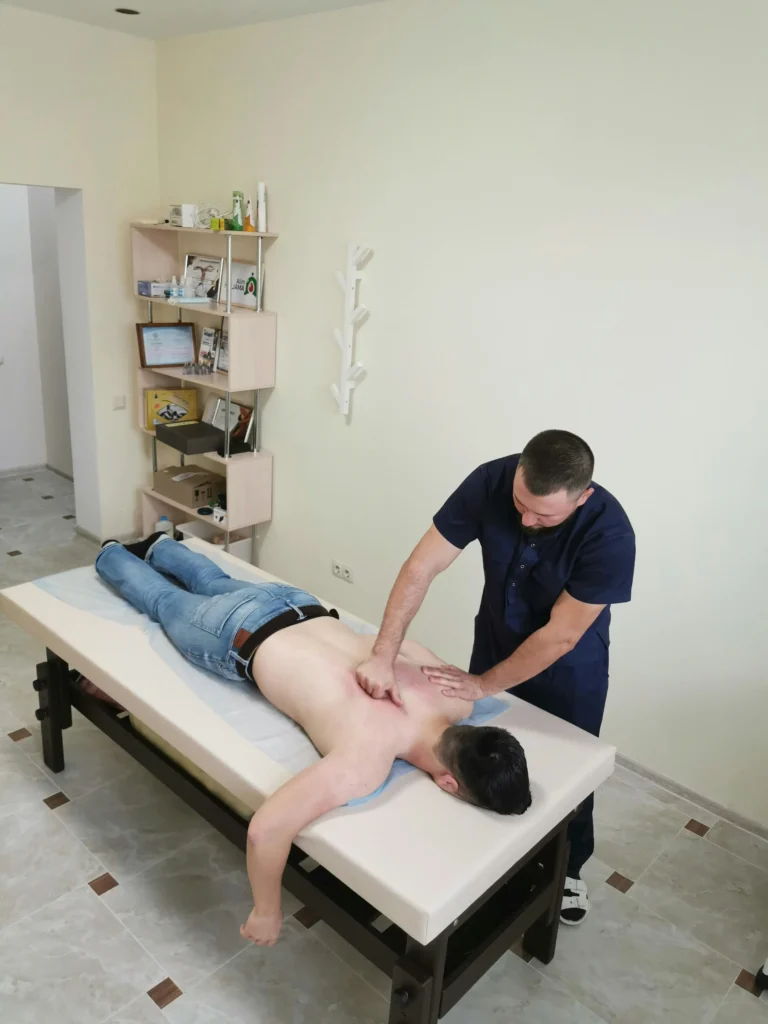
Chiropractic treatment is aimed at diagnosis and treatment of musculoskeletal disorders with a specific focus on the spinal alignment and the role of the nervous system. Chiropractors can treat misalignments, joint limitations and muscle imbalances to decrease pain, increase movement and overall body functioning. It is a natural healing method that improves the resistance to nervous systems and the health of the spine over the long term by providing the body with a whole-body healing method.
Key Techniques in Chiropractic
Spinal Adjustments
Spinal adjustments entail the proper repositioning of vertebrae to alleviate the pressure on nerves, pain, and the normal functioning of the joints. Such adaptations enhance the movement, increase positive posture, and benefit the overall working of the nervous system, which aids the natural processes of healing in the body.
Soft Tissue Therapy
Massage, myofascial release, and trigger point therapy are some of the techniques used to relax tight or overworked muscles, increase blood flow, reduce tension, etc. Soft tissue treatment supplements the spinal adjustments by treating muscular imbalances that may cause pain and lack of movement.
Corrective Exercises
Specific exercises will help in strengthening the essential muscle groups, increase flexibility and maintain the appropriate posture. Such motions keep the spine stable, prevent injuries in future, and enhance the effects of the chiropractic adjustments, to ensure that patients have a long-term musculoskeletal health.
Common Conditions Treated
Back and Neck Pain
The chiropractors often treat back pain and pain in the neck which is either chronic or acute in nature and is brought about by poor posture, injuries, or spinal misalignments. Specialized changes and treatments assist in alleviating pain and regaining movement.
Sciatica and Nerve Compression
Compression of the spinal nerves e.g. in case of sciatica can lead to pain, tingling or numbness in the legs. Chiropractic treatment involves compression of the nerves by the use of spinal realigning and supportive exercises to alleviate the symptoms and increase functioning.
Joint Pain and Stiffness
Stiffness and lack of movement may be caused by misalignment of joints or muscular imbalance. Adjustments and soft tissue therapy are some of the chiropractic methods that aid in the restoration of the joints and their flexibility.
Sports Injuries
Among athletes, there are sprains, strains and repetitive motion injuries. Chiropractic has a beneficial effect on recovering because it helps to relieve pain, improve mobility, and make the healing process faster with the help of natural, hands-on techniques.
The use of chiropractic care has a focus on a hands-on holistic approach with a focus on natural healing, healing functionalities, and pain alleviation without necessarily depending on drugs or surgical intervention.
Understanding Physical Therapy

Physical therapy (PT) is aimed at the recovery of movement, strength, and general functionality in the aftermath of an injury, surgery or immobilization. PT applies exercises that are directed, manual therapy, and more specific modalities like heat, cold, ultrasound or electrical stimulation to alleviate pain, increase flexibility and muscular coordination. The aim is to ensure that the patients are able to resume functioning in an independent way, avoiding additional harm, and resume their routine tasks or sporting functions securely and effectively.
Key Techniques in Physical Therapy
Therapeutic Exercises
The therapeutic exercises are aimed at enhancing strength, flexibility, endurance and the range of movement at large. The exercises are designed to train particular muscle groups and joints to regain functioning, correct imbalances, as well as improve physical performance.
Manual Therapy
Manual therapy also comprises of physical treatment like joint mobilization, soft tissue manipulation and stretching. These practices eliminate pain, enhance movement and blood circulation in damaged or constrained parts, which supplement exercise-based rehabilitation.
Modalities
In PT, the various modalities used to hasten the healing process, decrease inflammation, and dissolve pain usually involve the use of ultrasound, electrical stimulation, heat, and cold therapies. The tools facilitate the recovery and increase a positive impact of therapeutic exercises.
Functional Training
Functional training involves re-training of motions and patterns that are applied in everyday life or in sports. It enhances coordination, balance, and strength and thereby prevents future injuries and makes the patients able to resume their usual proceedings safely.
Common Conditions Treated
Post-Surgical Recovery
Physical therapy aids the patients to recover strength, mobility, and functioning following the surgery. Custom-made exercises and progressive improvement can guarantee safeguarding during the healing process and preventing the majority of complications and stiffness.
Sports or Work Injuries
PT treats sprains, strains, repetitive motion injuries and overuse diseases. The therapists formulate individualized strategies to lessen suffering, improve functioning and avoid future harm.
Arthritis or Joint Conditions
In the case of arthritis patients or other chronic joint disease, physical therapy aims at ensuring that the patient maintains their mobility, decreases pain, and builds the muscles around the joint to facilitate joint stability.
Balance or Mobility Deficits
Therapists deal with patients who are unable to stand, walk, or move well to enhance coordination, stability, and confidence in performing daily duties.
Physical therapy is usually goal-based, structured, and exercise based with hands-on practices and modalities based on the needs of a particular patient. This is a holistic system, which helps in recovery, restoring the functionality, and improving the overall quality of life.
Key Differences Between Chiropractic and Physical Therapy
| Feature | Chiropractic | Physical Therapy |
|---|---|---|
| Focus | Spinal alignment & nervous system | Movement, strength, & function |
| Approach | Hands-on adjustments & soft tissue work | Exercises, modalities, and functional training |
| Treatment Goal | Reduce pain, improve alignment, restore mobility | Restore function, prevent reinjury, strengthen muscles |
| Typical Session | 15–30 min hands-on | 30–60 min exercise & therapy |
| Common Use | Back, neck, joint pain, nerve issues | Post-injury rehab, post-surgery recovery, mobility improvement |
When Chiropractic May Be More Effective
The chiropractic treatment is usually prescribed when the pain is mainly due to poor alignment of the spine, nerve irritation, or musculoskeletal disequilibrium. It is especially applicable to people who are in need of quick pain relief in the back or neck, stiffness or headache caused by the spinal problems. Practical methods, such as adjusting the spine and soft tissue treatment, will be able to regain the correct posture, enhance mobility, and alleviate pain without the use of medications only.
Studies indicate that acute lower back pain and some forms of neck pain respond well to chiropractic treatment and thus can be a good alternative in patients who do not want invasive treatment using drugs.
When Physical Therapy May Be More Effective
Physical therapy becomes an option of choice in the event of recovery following surgery, injury or long-term immobilization. It can be used especially in people who are weak, have a lack of balance, or are less flexible that impairs their daily life or sports performance. PT is based on the long-term functional recovery based on implementing structured exercise regimes, manual therapy, and movement re-education.
It has been demonstrated through research and clinical practice that joint rehabilitation, post-surgical, and enhancement of movement mechanics to prevent reinjury can be effectively achieved with the help of physical therapy, which explains the stated approach as an excellent choice of patients wanting to achieve sustainable and functional outcomes.
Complementary Use: Combining Chiropractic and Physical Therapy
The integration of chiropractic and physical therapy in most situations is the best solution to recovery and musculoskeletal health that is related to the long run. Chiropractic care can be started to alleviate pain, the pressure on the nerves, and proper spinal alignment, thus forming a stable platform on which movement can occur. The follow-up which includes physical therapy aims at making muscles stronger, more flexible, and more balanced, and re-training the movement patterns to avoid reoccurrence. The combination of the two practices tends to make patients recover faster, reduce the chances of reinjury and improve overall functioning to ensure that wellness and mobility are maintained in the long-term.
Frequently Asked Questions (FAQs)
1. Can I use both chiropractic and physical therapy at the same time?
Yes, a combination of the chiropractic care and physical therapy has proved to be the most beneficial to many patients. Depending on the patient’s condition, chiropractic helps avoid pain, minimize nerve irritation, and reposition the spinal structure to form a stable background to heal. This is then furthered by physical therapy which involves strengthening the muscles, enhancing flexibility and re-educating the muscles to regain movement and functioning. The collaboration of chiropractors with physical therapists is necessary to make the care safe, specific, and complementary.
Such a combined practice usually causes the recovery to be faster, the risk of being reinjured is lower, and the ability to maintain musculoskeletal health in the long run is maintained. With the reduction of pain and improvement of functions, patients are able to experience the best results and be better overall.
2. Which approach is better for chronic back pain?
Chiropractic care and physical therapy can be very useful, yet they are somewhat are used differently. Treatment of chiropractic normally offers faster relief of pain, stiffness and nerve related pain by focusing on alignment of the spine and musculoskeletal imbalance. Physical therapy, conversely, focuses on strength, flexibility and functional gains in the long-term to avoid future injuries and keep mobility.
The combination of both strategies is more beneficial to many patients since chiropractic care can help them relieve pain in the short term, whereas physical therapy will help them recover in the long term and maintain a good musculoskeletal health. This holistic approach takes care of the symptoms and the causes of the condition, which facilitates the best wellness and functionality.
3. Are chiropractic adjustments safe?
Yes, chiropractic treatment is considered safe in case it is carried out by a certified and qualified chiropractor. Techniques are always well designed in regard to the health status, age, and the given specific condition of a patient to make the treatments effective and appropriate. It is unlikely that complications may occur because chiropractors check medical history, physical condition, and risk factors and only then prescribe adjustments or therapies. Using this personalized care, patients will be able to enjoy the same advantages of chiropractic care, namely, pain reliever, better mobility, and overall health of the muscles and bones.
4. How long does physical therapy usually take?
A physical therapy program can take different periods of time depending on the kind of injury, the severity and the goals that the patient has personally. The average program is 4-12 weeks, which is normally accompanied by in-clinic sessions with supplemented at-home exercises. How well one is doing is kept a close track of and treatment plans are also changed as patients become stronger, flexible and functional. Other patients might need shorter programs due to minor injuries, and more complicated conditions or post surgery recovery might lengthen the schedule. The balanced intervention of professional counseling and home practice is the best way to guarantee the best results and long-term effectiveness.
5. Can insurance cover both chiropractic and physical therapy?
Most insurance coverages include coverage on chiropractic care as well as physical therapy but the details of various insurance companies and policies can vary. The coverage is usually based on the diagnosis, medical necessity of the services and the kind of treatment allowed. There are plans that need prior authorization or primary care physician referral and plans that cover a specified number of visits within a year. You should also consider the contents of your personal plan and discuss with your insurance company to get to know the benefits. An understanding of what is covered will give you a planning benefit in terms of care, and also help you get the best value out of the treatments.
Understanding chiropractic vs. physical therapy empowers you to make informed decisions about your health. Both approaches are safe, effective, and designed to restore comfort, mobility, and overall wellness. Schedule a consultation today to discuss your condition and explore a customized plan. Whether you choose chiropractic, physical therapy, or a combination, proactive care helps you recover faster, prevent future issues, and enjoy a better quality of life.