

Chiropractic treatment has gained credibility among people who want to experience relief of scoliosis pain and posture related problems. Regardless of whether scoliosis is diagnosed during adolescence or adulthood, the effects of this condition are far reaching beyond the apparent hump of the spine. Stiffness, uneven muscular strain, restricted mobility and even fatigue occurs in many people as the body struggles more to maintain balance. In addition to the physical issues, scoliosis may also impact confidence and emotional health, and day-to-day activities and posture may be harder to control.
Although conventional medicine tends to resort to bracing or, in extreme instances, surgery, chiropractic can offer a non-invasive approach that promotes spinal alignment, increased mobility, and wellness in the long-term. Here we will discuss the role of chiropractic treatment in assisting patients with scoliosis to alleviate their pain, control their condition, and lead a healthier life with a normal spine.
Understanding Adult and Adolescent Scoliosis
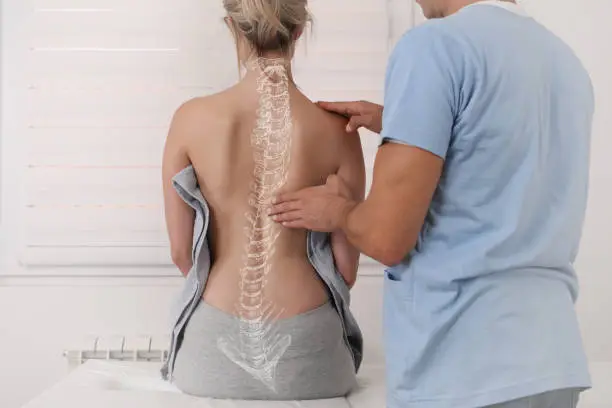
Scoliosis may occur at any age, but the two most prevalent forms of this condition are adolescent idiopathic scoliosis and adult scoliosis. Although the two are related by an unnatural lateral bending of the spine, their development and difficulty is very different. Teenagers can be very worried about growth and posture, and adults can have difficulties with pain, stiffness, and degeneration of the spine. The differences between these types of scoliosis are significant since they help select the appropriate treatment option and address long-term health.
What Is Scoliosis and How It Affects the Spine
Scoliosis is an abnormality in which the spine is curved laterally in both S or C patterns. Whereas others possess slight curves that do not cause much inconvenience in their daily lives, others can experience perceptible postural imbalances, muscle tensions, and chronic pain. In addition to the looks, the scoliosis may decrease the flexibility, change the pattern of breathing, and cause additional stress on the muscles and joints surrounding the area.
Even weight distribution and fluid movement is supported by a healthy spine. In scoliosis, there is an unequal pressure on the vertebrae, which makes it harder to support the posture and even results in constant pain.
Causes and Risk Factors for Spinal Curvature
The precise cause of scoliosis is unclear but various factors predispose the occurrence of scoliosis. Genetics has a great role to play as scoliosis is usually familial. The other causes are neuromuscular, spinal injury or developmental problems during growth spurts.
Teenagers are especially susceptible due to the fact that a sudden development can cause spinal imbalances to become more apparent. Scoliosis can be degenerative in adults (e.g., arthritis, osteoporosis, or disc issues).
Symptoms of Scoliosis Beyond the Visible Curve
Although the best-known symptom is a sideways curvation of the spine, the symptoms of scoliosis extend beyond the surface. Patients often experience:
- Shoulders or hips are uneven – giving the appearance of imbalance when standing or walking.
- One ribcage protruding – due to rotation of the spine on the chest wall.
- Sustained back pain or stiffness – when muscles and joints strain to hold the curve.
- Muscle overuse fatigue – one side of the body can be overloaded more than the other.
- Limited mobility – it becomes harder to bend, twist or to reach.
Unattended scoliosis may develop over time, thus the importance of early assessment and routine treatment.
Can Chiropractic Care Help with Scoliosis?
Scoliosis, or a sideways-bending of the spine, may occur at any age, and may result in pain, decreased movement, and concerns about future health. Although standard methods of treatment, such as bracing and surgery, are prevalent in severe cases, most people seek more non-invasive methods of controlling their symptoms. This is where the chiropractic care is brought into the picture. Chiropractic methods can help alleviate pain and increase the quality of life and survival of individuals with scoliosis by addressing their spinal alignment, posture and mobility. How effective is it, however? What the research and the practical experience tell us, let us see.
Gentle Adjustments to Support Natural Alignment
Chiropractic adjustments are aimed at enhancing movement in the spine and minimizing the limitations in the joints. In patients with scoliosis, these are mild, focused measures that can be used to relieve muscle tension, achieve a better balance and promote a more natural posture of the spine. Through providing support in the areas of rigidity and general mobility, chiropractic care can alleviate the pain that usually accompanies the uneven spinal curves.
It should be pointed out that no one would say that chiropractic treatment is a cure against scoliosis or one that would fully correct the curvature. Nevertheless, a significant proportion of patients report meaningful improvement in their posture, increased flexibility, and increased ease in their daily activities – making it a supportive treatment in both the management of the condition and quality of life.
Slowing Progression and Reducing Discomfort
Delaying the development of the curve of the spine is one of the primary objectives of the treatment of scoliosis. Chiropractors have a key role to play in this as they are more likely to keep track of changes in the spine over time and develop a personalized course of care that fits the needs of the unique patient. Adjustment schedules are specifically planned so that the stress on the most affected areas can be minimized and thus the body can move more comfortably and with ease.
Chiropractic care can not only help to reduce pain but also help decrease the progression of the curve by improving joint functioning, reducing muscle imbalances, and decreasing uneven strain. This active management technique enables a large number of patients to more easily manage their condition, stay mobile, and preserve their long-term spinal health.
Improving Posture and Range of Motion
Scoliosis can severely impair flexibility and cause observable postural imbalances that may impact not only standing and sitting comfortably but also taking part in physical activities. With time, these limitations can impose an extra burden on the spine-supporting muscles and joints, causing pain and exhaustion. Chiropractic treatment attempts to counter these difficulties by treating the spine and the soft tissues that surround the spine.
Chiropractors assist people in alleviating tension, improving the normal mobility of joints, and ensuring the maintenance of muscular balance through mild manipulation and supportive treatments. This leads to the fact that many patients have better posture, increased stability, and can move with more ease-bending, twisting, or just performing their daily activities.
Benefits of Ongoing Chiropractic Monitoring
Treatment of scoliosis is not a one time task and thus treatment needs to be done constantly. Continued chiropractic care offers the patients routine evaluations of the spinal health condition, which enables the chiropractors to monitor the change, modify the care model, and attend to emerging areas of concern as they present themselves. This is a proactive strategy that can not only reduce the rate of the scoliosis but also makes certain that the patients feel relieved, more mobile and that their overall functioning will improve as time goes by.
Customized Care Plans Based on Curve Severity
There is no single case of scoliosis, this is why chiropractic care is highly individualized. Before developing a specific treatment plan, chiropractors pay close attention to the level of the spinal curve, the age and general health of the patient and his daily needs. These personalized plans typically incorporate mild interventions with therapeutic activities, posture therapy and realistic home prescriptions to follow up on long-term outcomes.
In the case of patients who have a mild curve, periodic adjustments and occasional monitoring may be sufficient to keep the patient comfortable and mobile. Conversely, patients with moderate or more severe curves tend to enjoy more regular chiropractic care to assist them to cope with pain, enhance functionality, and prevent or delay progression. Chiropractors can support each patient with specific needs by adjusting care to the individual situation, and this approach can help them move more easily and enjoy a higher quality of life.
Postural Training and Muscle Balancing
One of the most frequent problems that people with scoliosis face is muscle imbalance. Due to the uneven curvature of the spine, one side of the body is usually more strained and, therefore, some muscles are forced to work more, while others become weaker or unused. This imbalance not only affects the posture, but can also result in constant discomfort, stiffness, and premature fatigue during everyday activities.
Chiropractors meet such concerns through the use of methods that promote the involvement of muscles and an improved position of the spine. They assist the body in spreading the effort in a more balanced way by incorporating adjustments with posture training and in certain cases, specific exercises. In the long run, this will help to alleviate strain, decrease fatigue and enable the patients to have a more natural and healthy spinal position.
Supporting Core Stability to Reduce Strain
A good core is crucial in the treatment of scoliosis because the abdominal and back muscles support the spine. Lack of core strength can create additional strains on the curved portions of the spine which result in pain and decreased mobility. Chiropractic usually extends past the adjustments to include exercises that specifically work on these stabilizing muscles. Working on the core will ensure that there is a strong base to support the spine making the body stand better and have a balance. The increased stability helps patients have less pressure on the affected parts and move easily in their daily tasks, be it sitting, walking, or performing physical exercises.
When to Seek Chiropractic Help for Scoliosis
Educating the patient on when to see a chiropractor about scoliosis can help to make significant changes in symptom management and spinal health preservation. Though others can manage with mild curves that do not create much discomfort, some have pain, stiffness, or visible postural changes that disrupt normal daily living. Chiropractors are able to assess these signs at an early age, offer recommendations about what can be done to help the person and develop an individual treatment plan to maintain mobility and comfort. Being able to know when to seek assistance will make scoliosis a proactive and not a reactive issue.
Early Signs That Warrant a Chiropractic Evaluation
When you find that your shoulders, hips or spine have a visible curve, it is prudent to have a chiropractic check up as soon as possible. Persistent back pain, stiffness, difficulty standing straight or clothing that suddenly fits poorly are other typical manifestations. The ailments could be evidence that scoliosis is impacting spinal balance and imposing additional stress on the muscles and joints around it. Early evaluation will provide you with the most favorable opportunity to control the condition before it advances. The sooner scoliosis is treated, the better the chiropractic care can help relieve the discomfort, improve the posture and promote the long-term health of the spine.
Complementing Orthopedic or Physical Therapy Plans
Chiropractic treatment is not an alternative to orthopedic treatment and physical therapy, but may be a beneficial addition. A collaborative strategy is best suited to the needs of many patients, as chiropractic adjustments are accompanied by exercises and mobility training by physical therapists. Such a combination aids in the correction of the structural alignment of the spine, as well as the muscular support that is required to keep it in place. In more serious cases, orthopedic supervision can be significant as well, where all the features of the condition are under strict control. All these methods combined provide a holistic approach to care to help reduce pain, enhance functioning, and achieve better long-term outcomes in people with scoliosis.
Managing Chronic Pain Without Surgery
Surgery is not always the first–or the only–option to those who live with scoliosis-related pain. Non-invasive care may bring significant relief and help a patient cope with his condition in most situations. Chiropractic treatment is a very safe and non-invasive procedure that aims at pain alleviation, mobility enhancement, and overall performance with no risks, costs, or prolonged healing as is typical of surgical operations. Chiropractic care can help patients continue living with scoliosis, by addressing their spinal alignment and helping them maintain muscular balance, allowing them to live more actively and with greater quality of life.
Frequently Asked questions (FAQs)
1. Is chiropractic care effective for scoliosis pain relief?
Yes, chiropractic care can be very effective in managing scoliosis-related discomfort. Gentle adjustments help relieve tension in the spine, improve joint mobility, and ease the muscle strain that often develops from uneven posture. Many patients find that these treatments reduce stiffness and make everyday movements like bending, walking, or sitting more comfortable. While chiropractic care does not correct or remove the spinal curve itself, it focuses on minimizing the negative effects scoliosis has on the body. By restoring better balance and function, chiropractic care allows patients to stay more active and maintain independence. Over time, consistent care can support improved posture, less pain, and an overall better quality of life.
2. Can scoliosis be reversed with spinal adjustments?
Chiropractic care cannot completely reverse scoliosis, especially in adults whose spinal curves are already established. However, it can play an important role in slowing progression, improving spinal mobility, and easing the strain that uneven posture places on muscles and joints. Many adult patients report reduced pain, better balance, and greater comfort in daily activities with consistent care. For children and adolescents who are still growing, chiropractic monitoring is especially valuable. By supporting proper alignment and reducing stress on developing structures, it may help minimize the risk of worsening curves during key growth stages. While chiropractic does not eliminate scoliosis, it provides meaningful benefits that improve quality of life at any age.
3. Should children with scoliosis see a chiropractor?
Yes, children and adolescents with scoliosis can benefit from chiropractic monitoring. Since their spines are still developing, consistent care can make a meaningful difference in how the condition progresses over time. Chiropractic adjustments and supportive therapies help manage posture, reduce stress on the curved areas, and encourage healthier growth patterns. This proactive approach not only eases discomfort but also provides families with reassurance that changes in the spine are being carefully tracked. Many parents choose to include chiropractic care as part of a long-term management strategy for their child, often in collaboration with pediatricians or orthopedic specialists. By addressing scoliosis early, young patients gain a stronger foundation for mobility, confidence, and overall spinal health as they grow.
4. How often should scoliosis patients get adjusted?
The frequency of chiropractic adjustments for scoliosis depends largely on the severity of the curve, the patient’s age, and the symptoms being experienced. In the early stages of care, some patients benefit from weekly visits to help manage discomfort, improve mobility, and monitor changes closely. As progress is made, many individuals transition to biweekly or monthly check-ins focused on maintenance and long-term spinal health. This flexible approach ensures that treatment is always aligned with the patient’s needs rather than following a one-size-fits-all schedule. Your chiropractor will evaluate your condition regularly and design a personalized plan that adapts as your spine and symptoms change over time.
5. Is chiropractic care safe for severe scoliosis curves?
Yes, chiropractic care is generally considered safe, even for individuals with moderate to severe scoliosis, when it is provided by a licensed and experienced professional. Chiropractors use gentle, customized techniques that are tailored to each patient’s unique spinal health and comfort level, avoiding any unnecessary force on sensitive areas. Safety is always the priority, which is why adjustments are carefully planned and monitored over time. In certain cases—especially when the curve is significant or progressing quickly—your chiropractor may also recommend additional medical evaluations or collaborate with orthopedic specialists to ensure you receive the most comprehensive care possible. This team-based approach helps patients manage scoliosis with confidence while reducing risks and maximizing benefits.
Call to Action
Living with scoliosis can feel overwhelming, but you don’t have to face it alone. Chiropractic care provides safe, natural support that eases discomfort, improves posture, and helps prevent further progression of spinal curves. Whether you’re an adult managing long-term scoliosis or a parent seeking guidance for your child, chiropractic offers a path toward better mobility and relief.
If you’re ready to explore a personalized scoliosis care plan, now is the time to take action. Schedule an evaluation with Healing Chiroparctic Rehab Center that specializes in spinal health and discover how tailored adjustments and ongoing support can make a difference in your quality of life. A straighter, stronger, and more comfortable future starts with one step: reaching out today.