
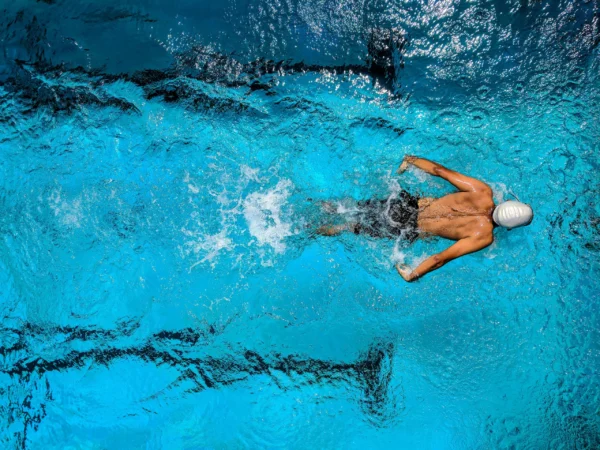
A chiropractic treatment is critical in ensuring that the swimmers achieve their maximum flexibility, achieve higher performance, and avoid injuries. Swimming involves co-ordinated and rhythmical movements which are fuelled by strong shoulders, level core, and smooth spinal action. Proper movement of the spine and joints will help the swimmers to attain more effective strokes, minimize the unnecessary strain and utilize power at the fullest in each lap.
Implementing chiropractic techniques in training regimens, swimmers will have an opportunity to solve muscle tension, enhance posture, and increase the general range of motion, which are critical factors of a powerful, well-controlled movement in the water. Frequent adaptations and mobility training are also useful in acceleration of recovery following intensive workouts, as well as enabling athletes to stay at optimal performance during their season.
As a competitive swimmer or an average person who can make a 10-lap swim an exercise in fitness, this blog will cover the most practical techniques of chiropractic, mobility training and lifestyle practice that may help you swim faster, longer, and with greater resiliency in the long term.
The Importance of Flexibility for Swimmers
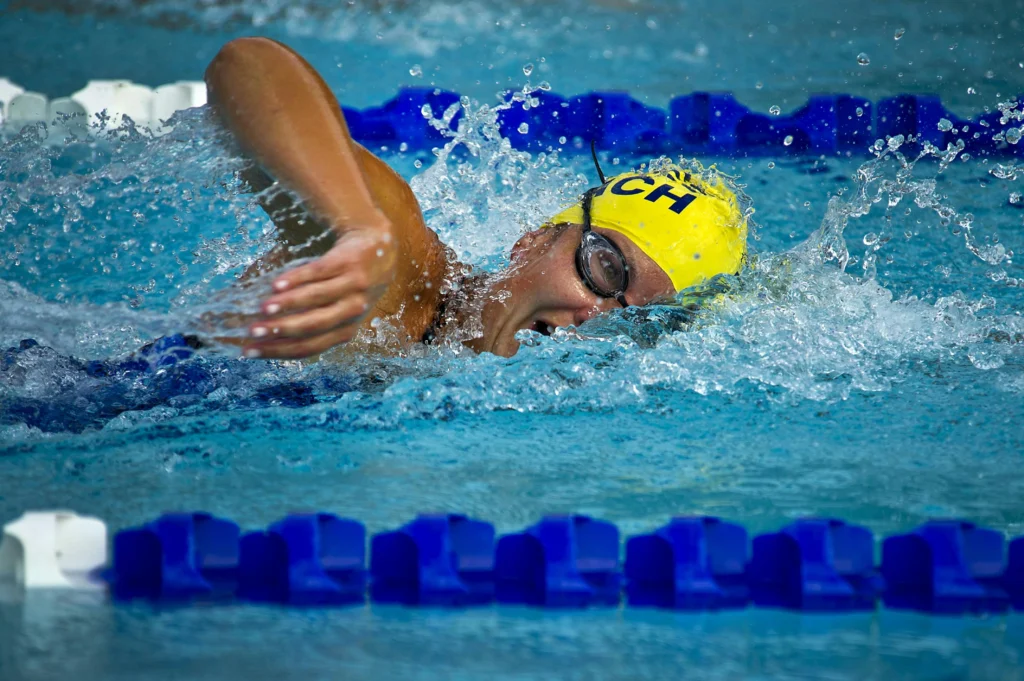
The flexibility is an important variable in the efficiency of strokes, speed, and permanent injury prevention. Lack of proper mobility especially the shoulders, spine and hips causes the body to compensate in unhealthy manners when the swimmers lack the proper mobility. Such compensations are able to decrease the stroke power and drag, as well as result in early fatigue during training or competition. The restricted movement of the body over time may also cause undue pressure on some muscle groups thereby leading to chronic pain, tightness, and increased susceptibility to overuse injuries like the swimmer shoulder.
The ability to increase flexibility in these key areas will allow the swimmers to move more freely in the water, retain better technique and perform even at their finest with reduced chances of being discomforted or injured.
Key Areas of Focus
Shoulders: It is the shoulders which do most of the propelling in freestyle, butterfly, and backstroke. Flexible and well-aligned, they enable the swimmers to make longer strokes, have a smoother recovery period and have stronger pulling forces. Restricted or tight shoulders, however, contribute to the risk of shoulder impingement and rotator cuff strain, which are the most frequent injuries to swimmers.
Spine: A mobile and flexible spine will enable easy rotation and this is important to ensure good stroke efficiency as well as reducing drag. Adequate spinal mobility is also useful in enabling swimmers to effectively transmit energy between the core and the limbs so as to enhance coordination and general body control in the water.
Hips and Legs: Hip and leg action enables stronger and more efficient kicks and prevents the ideal body position. Poor kicking, resistance and unwarranted strain on the lower back may result due to limited hip mobility. Hip, knee and ankle joints have flexible structures, which enable swimmers to swim at a more rhythmic pace with less action.
With chiropractic treatment alongside routine flexibility training, the swimmers will be able to keep their mobility at its optimum level, decrease muscular imbalances and avoid overuse injuries. These methods combined assist athletes to be stronger, swim faster and be reliable in their top performance.
How Chiropractic Supports Swimming Performance
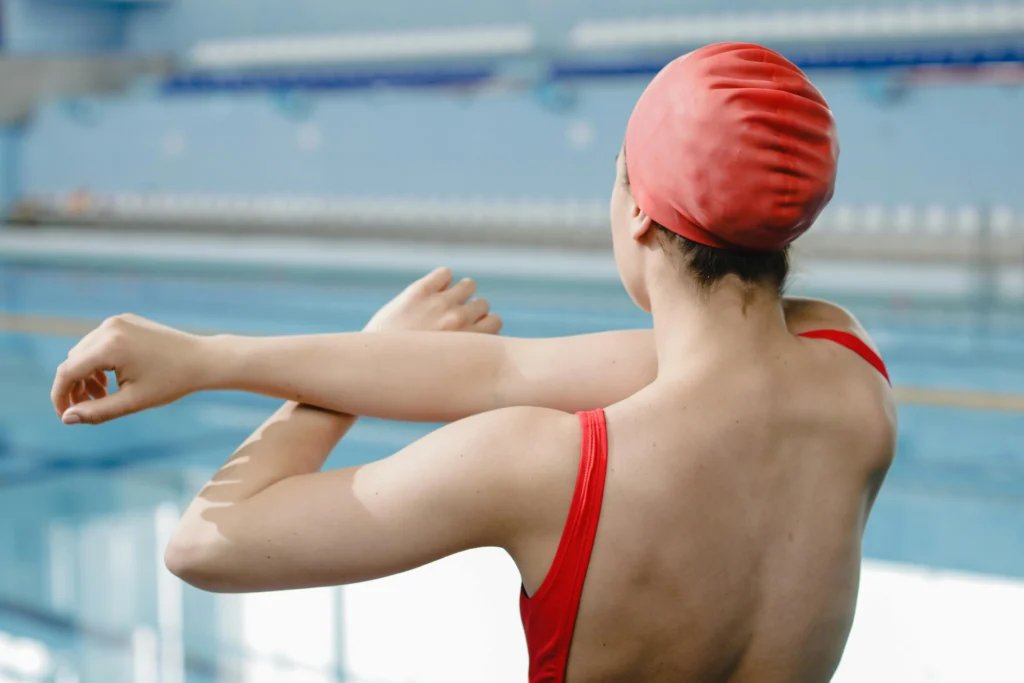
Chiropractic treatment maximizes the alignment of the spine, movement of the joints and the functioning of the nervous system and they are the direct positive contributors to higher flexibility and efficient movement in the water. The free motion of the spine and joints enables the swimmers to reach greater ranges of movements, improve the stroke movement, and have more control over the body movement. The increased performance of the nervous system also promotes better muscle activity and coordination that enable the swimmers to move more powerfully in the water with less effort.
Chiropractic services through maintenance of the balance and proper alignment of the body are among the primary elements of the performance and injury prevention of swimmers in the long-term.
Spinal and Joint Adjustments
Specific adjustments in the chiropractic techniques will help to restore this alignment, decrease nerve irritation, and create more range of motion in the joints, which will enable the swimmer to make each stroke with reduced limitations and more strength. When the joints are moved in the manner that they are designed, the body develops force in a more efficient way and the pulls become more smooth, the kicks stronger, and the performance better. Such adaptations also minimize tension in the muscles and eliminate any type of compensations that may slow down the swimmers or result in an overuse injury. Consequently, the swimmers feel more fluid, comfortable, and have an increased water endurance.
Soft Tissue Therapy
Massage, myofascial release and trigger point therapy are some soft tissue treatments meant to alleviate muscular tension, enhance blood flow, and hasten recovery following intense training programs. The techniques will decrease soreness, expand the range of motion, and prevent stiffness which may limit performance by relaxing tight muscles and fascia. Frequent soft tissue care aids in the correction of muscular imbalances as well enabling the swimmer to get in appropriate shape and efficiency at the water as well as reducing the chance of injury.
Prehab and Corrective Exercises
Chiropractors develop specific exercises that promote the strengthening of major stabilizing muscles, improve posture and joint mobility -the aspects needed to provide effective swimming strokes and overall performance. These exercises enhance core balance, shoulder strength and spinal support that enable the swimmers to generate power with reducing strain. Regular training does not only enhance the efficiency of the stroke but also lessens the chances of being overused leading to overuse injuries, hence enabling athletes to train more and recover quicker. By incorporating such exercises into a routine program, the flexibility, balance, and resilience of the water will be improved in the long term.
Common Swimming Injuries and How Chiropractic Helps

Inevitably, the repetitive strain injuries are prevalent among the swimmers because of the excessive amount of strokes and the constant overhead motion. Shoulder impingement, swimmer shoulder, lower back tension and tightness of the hips are common in both the competitive and recreational swimmers. Chiropractic treatment is able to aid in it by balancing the misalignments, reducing inflammation, and enhancing the movement of joints which reduces the pressure exerted on the overworked muscles and connective tissues. Early intervention is another factor that accelerates recovery besides preventing minor strains to evolve to chronic injuries. Conventional chiropractic adjustments contribute to the long-term performance and ensure the swimmers keep training safely and effectively.
Shoulder Injuries
The most frequent injury in swimmers is shoulder impingement and rotator strain, and this is usually due to the repetitive action of overheads. Chiropractic care is used to reestablish the normal position of joints, whereas the soft tissue techniques, including massage and myofascial release and trigger point treatment, eliminate muscular spasms and decrease inflammation. All these treatments combine to enhance the mobility of the shoulders, relieve pain, and increase rapid recovery. Healthy shoulders are very important in achieving the most effective stroke, avoiding any compensation, and lowering chances of still getting injured in training or competition.
Lower Back Pain
The improper position of the lumbar region may cause strains of the lower back, muscle pains, and decreased swimming ability. The adjustments of chiropractic can restore the lumbar bone to its rightful position and reduce the neck pain and strain in the spine, on the other hand, enhancing the correct posture during the swimming. This care along with specific core-strengthening activities increases the level of stability, improves stroke, and decreases the possibility of chronic back pain or injury. A healthy lower back is the key to a good kick, body rotation and good swimming, in general.
Neck and Upper Back Tension
The correct position of the spine enables the rotation to be easier, be more flexible and enable a more efficient transfer of energy in the torso. By decreasing the rigidity and asymmetrical tension, the swimmer will be able to perform strokes with a more efficient technique and use less force. This alignment does not only improve performance, but it also prevents strain based pain in the back, shoulders, and neck. Spinal health to prevent injury and maintain a long-term efficiency in swimming is necessary.
Hip and Knee Strain
The chiropractic manipulation is used to ensure that there is alignment of spinal and joints to ensure that there are smooth and coordinated movements in the water. Maintaining the equilibrium of the hips, spine and shoulders, swimmers are able to make effective turns and powerful kicks with reduced effort. The increased joint performance will decrease the chances of overuse injury and ensure a consistent performance in training and competition. Frequency of adjustments is a supplement of flexibility and strength working, which stimulate the efficiency and resilience of swimming in general.
Techniques to Enhance Flexibility for Swimmers
| Dynamic Stretching | Controlled movements mimic swimming strokes to prepare muscles and joints, increasing range of motion before workouts. |
| Static Stretching | Lengthens muscles post-training, improves flexibility, and aids recovery. |
| Chiropractic Adjustments | Targeted adjustments enhance joint mobility, supporting a broader range of motion for the shoulders, spine, and hips. |
| Soft Tissue Therapy | Relieves tightness, improves circulation, and promotes recovery, making it easier to maintain flexibility over time. |
Integrating Chiropractic into Swim Training
Pre-Season Assessment: An indepth examination assists to point out tension, misalignment and low mobility. Being aware of these factors at an early age means that swimmers would be able to deal with some of the problems before the training begins to increase.
Regular Adjustments: In order to stay in training, chiropractic care keeps the spinal and joint health during training. Regular modifications help to decrease the rigidity, enhance the alignment, and assist optimum patterns of movement in the water.
Exercise and Stretching Plan: Strength, stability, and flexibility Exercises and stretching are preprescribed by the chiropractor. Training in a structured plan has the benefits of improving the efficiency of stroke, avoiding injuries, and supplementing in-water training.
Recovery Support: Soft tissue treatment, such as massage and myofascial release, is used to speed up post-intensive session recovery. These processes alleviate muscle fatigue, enhance the blood flow, and warm-up the body ready to get into the following session of training.
Frequently Asked Questions (FAQs)
1. Can chiropractic improve swimming flexibility?
Yes. By restoring spinal and joint mobility, chiropractic care helps swimmers achieve a greater range of motion, which is crucial for efficient strokes. It also relieves muscle tension that can restrict movement during training. Enhanced alignment ensures that force is distributed evenly, reducing unnecessary strain on the shoulders, hips, and spine. Swimmers often report smoother, more fluid strokes after consistent care. Overall, chiropractic support complements training by improving both comfort and performance in the water.
2. How often should swimmers see a chiropractor?
Frequency depends on factors like training intensity, past injuries, and individual performance goals. Many competitive swimmers benefit from weekly or biweekly sessions to maintain peak alignment and mobility. Beginners or those with fewer training demands may need fewer visits initially. Progress can be assessed regularly, allowing the chiropractor to adjust the plan. Consistent care ensures ongoing support for flexibility, recovery, and injury prevention.
3. Can chiropractic prevent swimming injuries?
While it cannot guarantee injury prevention, chiropractic care plays a key role in reducing strain on muscles and joints. Maintaining proper alignment and flexibility lowers the risk of overuse injuries, such as shoulder impingement or lower back strain. Adjustments can correct imbalances that may lead to compensatory movement patterns. Combined with proper warm-ups, stretching, and strength training, the risk of injury is further minimized. Swimmers who incorporate chiropractic care often experience fewer aches and improved overall performance.
4. Is chiropractic safe for young swimmers?
Yes, when performed by a licensed chiropractor trained in sports or pediatric care. Techniques are adapted to the swimmer’s age, size, and activity level. Adjustments are gentle, precise, and tailored to individual needs. Chiropractors also assess any pre-existing conditions to ensure safety. When combined with professional oversight, chiropractic care is a safe addition to a swimmer’s training regimen.
5. Should I combine chiropractic with other therapies?
Yes. Combining chiropractic adjustments with strength training, stretching, and physical therapy exercises produces the best results. Aligning the spine and joints enhances mobility, while targeted exercises build strength and stability. This synergy allows swimmers to perform more efficiently and reduce the risk of injury. Recovery is faster, and overall body mechanics improve. Athletes often see noticeable gains in both stroke efficiency and endurance.
Chiropractic care unlocks flexibility, reduces discomfort, and enhances performance for swimmers of all levels. Proper alignment and mobility allow for stronger, smoother strokes, quicker recovery, and lower risk of injuries. Schedule a consultation today to create a customized plan tailored to your swimming goals. Experience the benefits of improved flexibility, enhanced stroke efficiency, and a more enjoyable, injury-free swimming experience.